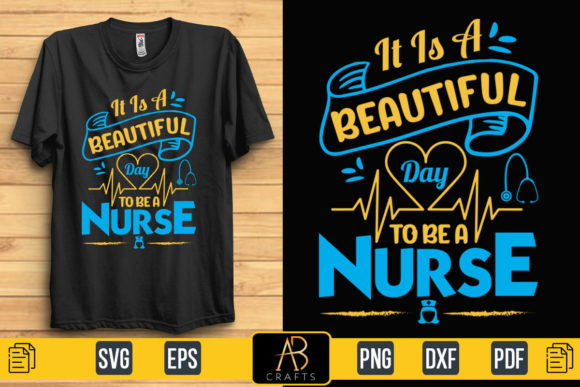
Reviewing It is a Beautiful Day Nurse Sublimation
As an embroidery designer who spends more time staring at stitch maps than I care to admit, I have learned that not every graphic translates well to thread. When I first encountered It is a Beautiful Day Nurse Sublimation, my initial reaction was cautious optimism. The concept is warm and uplifting, tapping into the resilience and positivity of healthcare workers. However, moving from a digital vector intended for sublimation printing to a tangible machine embroidery design requires a critical eye. This review breaks down how this asset performs when translated into real-world stitching scenarios, helping you decide if it belongs in your next craft business lineup.
First Impressions and Visual Mood
The phrase "It is a beautiful day" carries an inherent lightness. In the context of nursing, it serves as a gentle reminder of hope amidst chaos. Visually, the typography in this Graphics package tends toward clean, readable lines. For an embroiderer, this is both a blessing and a challenge. Clean lines suggest clarity, but they also demand precision. If the original file is a vector meant for printing, we must consider how those smooth curves will behave when converted into satin or fill stitches. The mood is professional yet approachable, making it ideal for items that need to convey comfort and competence simultaneously.
Real-World Application: The Custom Tote Bag Test
To truly evaluate It is a Beautiful Day Nurse Sublimation, I imagined applying it to a heavy canvas tote bag. This is a popular small shop product for Etsy sellers targeting medical professionals. On a textured fabric like canvas, the design needs enough density to stand out without becoming stiff. If you are using this as a reference for digitizing, pay close attention to the letter spacing. Tight kerning can lead to thread bunching, while wide spacing might look disconnected on a smaller hoop. For a tote, a larger hoop size allows the message to breathe, creating a bold statement piece that feels substantial and high-quality.
Sweatshirts and Comfort Wear
Another natural fit is sweatshirt embroidery. Nurses often work long shifts in varying temperatures, making a cozy fleece or cotton blend sweatshirt a practical gift. Here, the texture of the fabric plays a huge role. A plush fleece can swallow up fine details. If you are adapting this Print Templates style design for embroidery, consider simplifying any intricate serifs or tiny decorative elements. A bold, sans-serif interpretation of the text would likely perform better, ensuring the message remains legible even after multiple washes. The contrast between the soft fabric and the structured thread adds a tactile dimension that printing cannot achieve.
Navigating Technical Challenges
While the sentiment is universal, the execution requires technical vigilance. There are specific scenarios where you should proceed with caution when using designs derived from sublimation vectors.
- Small Hoop Sizes: If you attempt to stitch this on a 4x4 inch hoop, the text may become too small to read clearly. Ensure the font weight is sufficient to maintain integrity at reduced scales.
- Textured Fabrics: On waffle knits or heavy towels, running stitches may disappear. You might need to increase stitch density or use a thicker thread to ensure visibility.
- Dark Fabric: Sublimation designs often rely on white backgrounds. For embroidery on navy or black scrubs, you must carefully select thread colors that offer high contrast. White or light blue threads are safe bets, but always test a sample first.
- Curved Surfaces: Applying this to a cap requires careful hooping and stabilization. The curvature can distort long lines of text, so breaking the design into smaller segments or using a flexible stabilizer is crucial.
Enhancing Product Value and Brand Consistency
For the Etsy seller or boutique owner, the perceived value of a handmade product hinges on finish quality. A well-executed version of It is a Beautiful Day Nurse Sublimation can elevate a simple item into a cherished personalized gift. Customers trust designs that look intentional and professional. Sloppy stitching or poor color choices can undermine the heartfelt message. By treating this design with respect—choosing high-quality rayon or polyester threads and ensuring proper tension—you build brand consistency. Buyers return not just for the message, but for the reliability of your craftsmanship.
Furthermore, this design fits seamlessly into seasonal promotions. It works beautifully for holiday embroidery projects, such as Christmas gifts for hospital staff, or as part of Nurse Appreciation Week collections. Its versatility allows it to bridge the gap between clinical professionalism and personal warmth.
Practical Designer Notes for Execution
Before you commit to a full production run, keep these practical tips in mind. Since the source material is described as a vector for t-shirt design, it is not inherently an embroidery file. You will likely need to digitize it or purchase a properly converted version. Always check the license terms to confirm if the asset allows for commercial use in finished goods. Not all design assets grant the right to sell physical items, so clarity here is non-negotiable.
- Test on Scrap Fabric: Never skip the test stitch. Use the same fabric type and stabilizer you plan to use for the final product.
- Check Stitch Density: High density can cause puckering, especially on lighter fabrics. Adjust your pull compensation settings if you are digitizing yourself.
- Contrast is Key: View your design in black and white mockups. If the details vanish in grayscale, they will likely get lost in thread.
- Stabilizer Selection: For stretchy fabrics like jersey tees, use a cut-away stabilizer to prevent distortion over time. For woven fabrics like aprons, a tear-away may suffice.
- Verify File Compatibility: Ensure the final embroidery file matches your machine’s format. Do not assume a generic file will work without conversion.
Final Thoughts on Usability
It is a Beautiful Day Nurse Sublimation offers a strong foundation for meaningful textile art. While it originates as a graphic for print, its core strength lies in its message and clean layout. With thoughtful adaptation regarding stitch types—balancing satin stitch for borders and fill stitch for larger areas—it can become a standout element in your portfolio. Whether you are creating a durable embroidered patch for a uniform or a soft baby embroidery item for a new nurse mom, the key is respecting the medium. Thread has weight and texture; let the design honor that. By focusing on clarity, durability, and emotional resonance, you transform a simple graphic into a lasting tribute to the nursing profession.