Nurse Hope: A Designer’s Review for Embroidery Projects
As an embroidery designer who has spent years digitizing files and reviewing thousands of machine embroidery design options, I have developed a keen eye for what works in the hoop versus what only looks good on a screen. When I first encountered Nurse Hope, my immediate reaction was one of cautious optimism. The theme is timeless, but the execution determines whether a design becomes a bestseller or ends up in the scrap bin. This review breaks down how this specific graphic performs when translated from a digital asset into a tangible, stitched reality.
First Impressions and Visual Personality
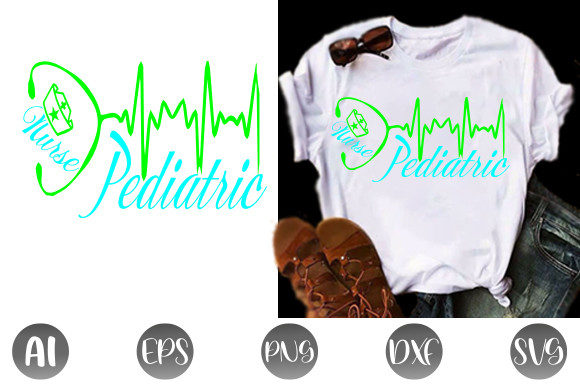
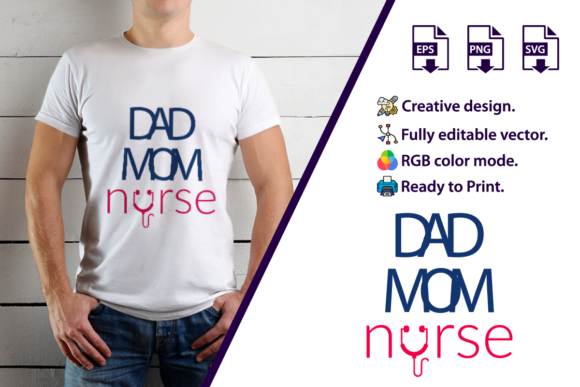
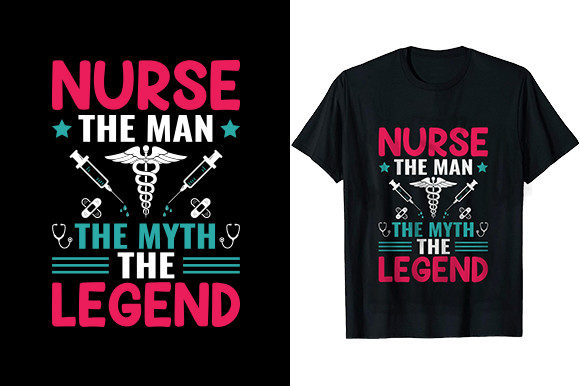
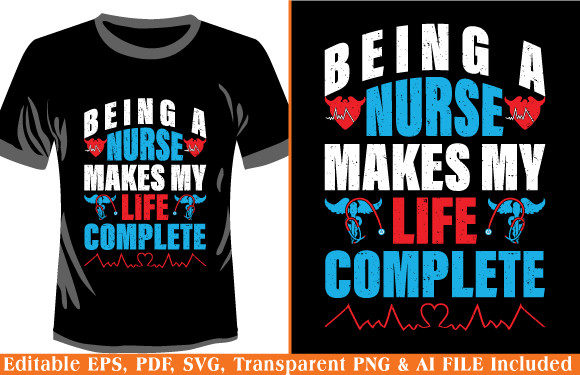
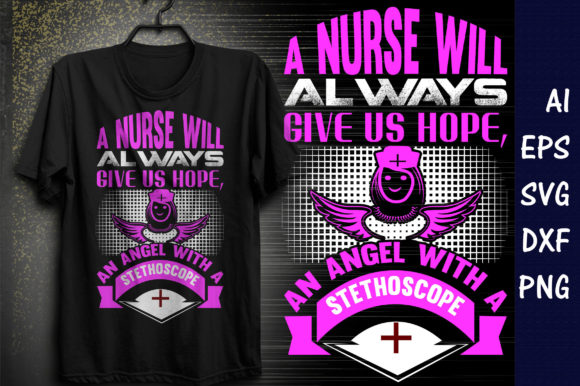
The mood of Nurse Hope is gentle yet professional. It avoids the overly clinical feel that plagues many medical-themed graphics, opting instead for a softer aesthetic that appeals to both healthcare workers and patients. From a layout perspective, the balance between text and iconography is crucial. In many T-Shirt Designs, the typography can overpower the symbol, or vice versa. Here, the elements seem to coexist harmoniously, suggesting a design that will stitch out cleanly without requiring excessive manipulation.
The visual personality leans toward warmth. For a personalized gift or a boutique product, this emotional resonance is vital. Customers do not just buy embroidery; they buy the feeling it evokes. A nurse receiving a custom item wants to feel appreciated, not just identified by her job title. The design’s simplicity suggests it relies on clean lines rather than dense shading, which is a positive indicator for stitch clarity.
Real-World Application: The Custom Tote Scenario
To truly evaluate Nurse Hope, I imagined a real-life scenario: preparing a custom embroidered tote bag for a nursing graduation gift. Tote bags are notoriously tricky due to their woven texture and potential for shifting. A design with too much stitch density can cause puckering, while one with too little detail may get lost in the fabric weave.
In this context, Nurse Hope shines. The open spaces in the design allow the fabric texture to breathe, preventing the "cardboard effect" where heavy stitching makes the fabric stiff. If you are an Etsy seller or run a craft business, this versatility is a major selling point. The design translates well to a tote bag design because it remains legible even at moderate sizes. It does not require micro-detailing that might break threads on coarse canvas.
Versatility Across Apparel and Home Goods
Beyond totes, consider sweatshirt embroidery. Fleece and cotton blends have a nap that can swallow small details. Since Nurse Hope appears to utilize bold shapes, it should maintain its integrity on thicker fabrics. For baby embroidery items like onesies or bibs, the softness of the theme is appropriate, but one must be mindful of thread choice. Using soft, high-quality rayon or polyester threads ensures the finished product is comfortable against sensitive skin.
For holiday embroidery projects, such as Christmas ornaments or festive aprons, the design offers a neutral base that can be customized with seasonal thread colors. A red and green palette could transform it into a holiday-specific item, extending its commercial viability beyond standard workwear.
Technical Considerations for Stitching
While the aesthetic is promising, the technical execution requires attention. The product description indicates you receive a ZIP folder with DXF, SVG, Transparent PNG, EPS, and Ai files at 300dpi. It is critical to note that these are primarily vector and image formats, often used for printing or cutting machines like Cricut or Silhouette. If you are using a traditional needle embroidery machine, you must ensure these files are compatible with your digitizing software or that you have the proper embroidery file formats (such as PES, DST, or JEF) if they were included or if you need to convert them.
Important Note: Always verify the specific embroidery file formats provided. If only vector and image files are included, you will need to digitize the design yourself or use auto-digitizing features, which may require manual cleanup to optimize satin stitch and fill stitch patterns. Poor auto-digitizing can lead to thread breaks and uneven tension.
Fabric and Hoop Constraints
When working with Nurse Hope, pay close attention to hoop size. If the design includes fine lettering, ensure your hoop is large enough to accommodate the full width without resizing it to the point of distortion. On stretchy fabric like jersey knits, a cut-away stabilizer is non-negotiable to prevent the design from warping after washing. For woven fabrics like twill or denim, a tear-away stabilizer may suffice, but testing on scrap fabric is always recommended.
Be cautious with dark fabrics. If the design relies on subtle gradients or light-colored threads, ensure there is enough contrast. A transparent PNG allows you to mock up the design on various background colors before stitching. Test it in black and white mockups to see if the shape holds up without color reliance. If the details vanish in grayscale, the design may lack the necessary contrast for low-light environments or monochrome stitching preferences.
Commercial Value and Brand Consistency
For small shop product lines, consistency is key. Nurse Hope fits well within a broader collection of healthcare-themed Graphics. Its clean lines allow for easy integration into branding materials, from printable mockup previews to actual embroidered patch products. An embroidered patch adds perceived value, allowing customers to attach the design to jackets or bags they already own.
Buyer engagement often hinges on professionalism. A cleanly stitched design builds trust. If Nurse Hope is digitized with proper underlay and secure tie-offs, it reduces the risk of customer complaints regarding loose threads or unraveling. This reliability is crucial for commercial embroidery where volume and reputation are at stake.
Final Verdict and Practical Tips
Nurse Hope is a strong contender for designers looking for versatile, emotionally resonant imagery. It is not just a digital embroidery file; it is a tool for creating meaningful connections through craft. However, success depends on preparation.
- Test First: Always stitch a sample on similar fabric to check for puckering or thread breaks.
- Check Licensing: Confirm whether the license allows for commercial sales of finished physical items. Most designers allow this, but restrictions on reselling the digital file itself are standard.
- Optimize Density: If digitizing from the provided vectors, reduce stitch density slightly for stretchy fabrics to maintain comfort.
- Contrast Matters: Choose thread colors that stand out against the fabric. High contrast improves readability and visual appeal.
In conclusion, Nurse Hope offers a blend of aesthetic charm and practical utility. Whether you are creating a custom apparel piece for a client or stocking your online store with unique handmade product offerings, this design has the potential to perform well. Just remember that the quality of the final finished product relies as much on your stitching technique and material choices as it does on the design itself. Treat it with care, and it will serve your creative business well.