Review: Letter D Stethoscope Medical Logo for Embroidery
As a designer who spends half my day digitizing and the other half stitching, I have learned that not every Graphics asset translates well to thread. When I first pulled up the Letter D Stethoscope Medical Logo, I was looking for more than just a pretty picture. I needed to know if this vector would hold up under the needle, survive a wash cycle, and look professional on a finished product. This review breaks down how this specific design performs in real-world embroidery scenarios, moving beyond the digital preview to the tactile reality of stitched fabric.
First Impressions and Visual Personality
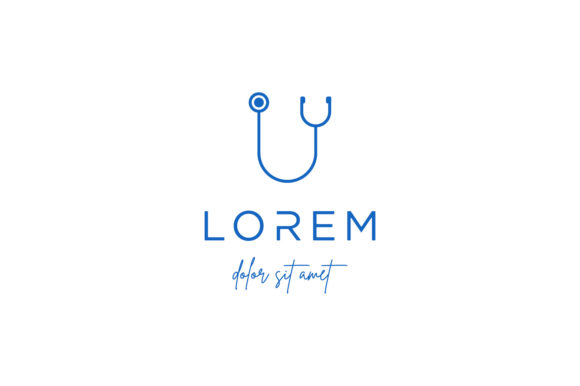
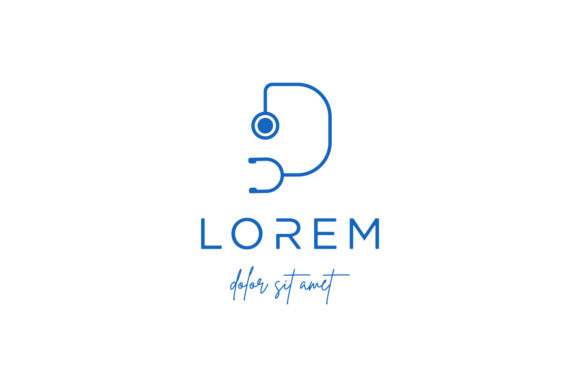
The immediate appeal of the Letter D Stethoscope Medical Logo lies in its clean integration of typography and iconography. By merging the letter "D" with the curved tubing of a stethoscope, the design creates an instant association with healthcare, nursing, or medical studies. The mood is professional yet approachable, avoiding the sterile coldness often found in clinical branding. For an embroidery project, this balance is crucial. The lines appear smooth and continuous, which suggests that the underlying vector paths are well-constructed. However, a high-resolution screen display does not always guarantee good stitchout quality. The key question is whether those smooth curves will translate into clean satin stitches or if they will result in jagged edges due to poor digitizing.
Real-World Application: The Custom Scrub Cap Scenario
To truly test the viability of this design, I imagined a common request from my client base: a set of custom scrub caps for a nursing student graduating with a degree starting with "D." This is where the Letter D Stethoscope Medical Logo shines as a practical Logos solution. Unlike generic medical crosses, this personalized approach adds significant value to the handmade product.
When visualizing this on a curved surface like a cap, the compact nature of the design works in its favor. It does not require a massive hoop, making it ideal for smaller items. The thematic clarity means the recipient instantly recognizes the profession and the personalization. For an Etsy seller or craft business owner, this type of specific, niche design often converts better than generic motifs because it speaks directly to the buyer’s identity. It transforms a standard piece of custom apparel into a meaningful keepsake.
Stitching Performance and Technical Considerations
While the concept is strong, the execution depends entirely on how the vector is converted into an embroidery file. Since the product description notes that you receive full vector SVG and EPS files, the responsibility for digitizing may fall on you, or you may be using a pre-digitized version if included in the zip. If you are digitizing this yourself from the provided vectors, pay close attention to the curve of the stethoscope tubing. This area is prone to becoming a dense block of thread if not handled correctly.
I recommend using a combination of satin stitch for the bold outlines of the letter and the thicker parts of the stethoscope, while utilizing running stitch or thin satin columns for the finer tubing details. This variation in stitch type helps reduce bulk and prevents the design from looking like a solid patch of plastic on the fabric. If the design includes small text elements alongside the logo, ensure they are large enough to remain legible after stitching. Tiny lettering often merges together, especially on textured fabrics.
Fabric and Hoop Selection
The choice of material dramatically affects the outcome of the Letter D Stethoscope Medical Logo. On smooth, tightly woven cotton or polyester blends commonly used for scrubs and tote bags, the design will appear crisp. However, on textured fabrics like terry cloth towels or fuzzy fleece blankets, fine details can get lost. In these cases, increasing the stitch density slightly or simplifying the smallest elements might be necessary.
For baby embroidery projects, such as a onesie or burp cloth, softness is paramount. A dense fill stitch can feel stiff against sensitive skin. Here, the open spaces in the stethoscope design are beneficial, allowing for less thread coverage while maintaining visual impact. Always use an appropriate stabilizer; a cut-away stabilizer is best for stretchy knits to prevent distortion, while tear-away works well for stable wovens like canvas tote bags.
Commercial Viability and Branding
For small shop product creators, this design offers versatility. It is not limited to clothing. Imagine this logo embroidered on a sturdy canvas tote bag design for a medical conference, or as a subtle accent on a high-quality pen case. The professional aesthetic builds customer trust and enhances brand consistency for healthcare-related businesses. When used in commercial embroidery, the clarity of the vector ensures that scaling the design up or down for different products does not result in pixelation or loss of detail.
However, before listing finished items, you must verify the licensing terms. The product description mentions you receive a zip file with vectors, but it does not explicitly state commercial usage rights for the final stitched goods. Always confirm whether the license allows for unlimited sales of physical products or if there are restrictions. This step is critical for protecting your craft business from legal issues.
Practical Designer Notes for Best Results
Before committing to a full production run, follow these steps to ensure quality:
- Test on Scrap Fabric: Always stitch a sample on the exact fabric type you intend to use. This reveals tension issues and color blending problems.
- Check Thread Contrast: The design relies on shape recognition. Ensure your thread colors contrast sufficiently with the fabric. White thread on white fabric will vanish, while dark blue on navy might lack definition.
- Inspect Small Details: Zoom in on the vector file. Look for overlapping nodes or tiny gaps that could cause thread breaks or messy jump stitches.
- Mockup in Black and White: Remove color from your digital preview. If the design loses its shape without color, it may rely too heavily on shading rather than structure, which is risky for embroidery.
- Verify File Formats: The description lists SVG and EPS. Ensure your embroidery software can import these vectors for auto-digitizing, or confirm if machine-specific formats like DST or PES are also included in the zip.
Final Verdict
The Letter D Stethoscope Medical Logo is a strong candidate for medical-themed embroidery projects. Its clever integration of letter and symbol offers a personalized touch that resonates with buyers. While the vector quality appears high, the success of the final finished product depends on careful digitizing and material selection. For holiday embroidery gifts, graduation presents, or professional branding, this design delivers both aesthetic appeal and functional clarity. Just remember to test thoroughly and respect licensing boundaries to maximize its potential in your creative portfolio.