Review: Letter F Stethoscope Medical Logo for Embroidery
As a designer who spends half my life digitizing and the other half staring at hoop marks on fabric, I approach every new Letter F Stethoscope Medical Logo with a mix of curiosity and skepticism. We have all seen medical-themed graphics that look crisp on a screen but turn into a tangled mess of thread once they hit the needle. Today, I am evaluating this specific design not just as a digital asset, but as a practical component for real-world embroidery projects.
The concept is straightforward yet effective: integrating the letter F with the iconic curve of a stethoscope. For healthcare professionals, nursing students, or medical boutique owners, this Logos style graphic offers immediate recognition. But does it hold up under the pressure of a high-speed embroidery machine? Let us break down how this design performs from the digitizer’s perspective to the final stitched product.
First Impressions and Visual Personality
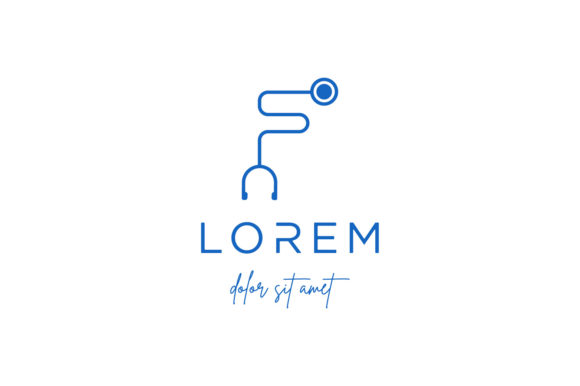
When I first loaded the vector files to inspect the layout, the clean lines stood out. The integration of the stethoscope tubing into the structure of the letter F is clever without being overly complex. In the world of Graphics, simplicity often translates to better stitchability. The design avoids excessive micro-details that usually cause thread breaks or bird nests.
The mood here is professional yet approachable. It does not scream "clinical coldness"; instead, it feels personalized and caring. This makes it an excellent candidate for custom apparel intended for nurses, doctors, or medical assistants who want to add a touch of personality to their scrubs or lab coats. The visual balance suggests that it would sit well on the left chest area of a jacket or the center of a tote bag without looking cluttered.
Real-World Application: The Custom Tote Test
To truly understand the value of this design, I imagined a specific scenario: a custom order for a nursing graduation gift. The client wanted a sturdy canvas tote bag design that could hold textbooks and survive daily commutes. Using the Letter F Stethoscope Medical Logo as the central focal point seemed ideal.
Because the design relies on strong curves and clear letterforms, it translates beautifully into satin stitches for the tubing and fill stitches for any solid areas. On a medium-weight canvas, the design maintains its integrity. The contrast between the thread colors and the fabric becomes crucial here. I recommend using a bright white or silver thread for the stethoscope elements against a navy or royal blue bag. This ensures the medical symbolism pops, enhancing the handmade product appeal.
If you are an Etsy seller or run a small shop product line, this type of design is versatile. It works equally well for a sweatshirt embroidery project for a clinical rotation or a subtle patch on a scrub cap. The key is recognizing that this is not just a picture; it is a branding tool for your customer.
Technical Considerations for Stitching
While the vector source provides high resolution and scalability, embroidery has physical limits. Here is where my experience as a reviewer comes into play. You must consider stitch density. If the original vector has thick lines, your digitizing software might try to pack too many stitches into a small area. Before running this on a client’s garment, always test on scrap fabric.
Pay close attention to the curves of the stethoscope tubing. These areas are prone to puckering if the stabilizer is not adequate. For stretchy fabrics like jersey knits used in t-shirts, a cut-away stabilizer is non-negotiable. For woven fabrics like aprons or pillow covers, a tear-away might suffice, but I prefer a medium-weight cut-away for longevity, especially if the item will undergo frequent washing.
Another critical factor is the hoop size. Ensure the design fits comfortably within your hoop with enough margin for the frame to grip the fabric securely. If you are scaling the design down for a baby embroidery project, such as a onesie, check that the smaller details do not become indistinguishable blobs of thread. Sometimes, simplifying the design further for tiny hoops is necessary to maintain clarity.
Fabric and Color Challenges
Not all fabrics behave the same. When applying this design to textured fabrics like terry cloth towels or fleece blankets, the stitches may sink into the pile. In these cases, using a topping stabilizer can help keep the stitches on the surface, preserving the crispness of the letter F and the stethoscope outline.
Dark fabrics present another challenge. If you are stitching on black scrubs, ensure your thread colors have enough contrast. A dark grey stethoscope on black fabric will vanish. Opt for light blues, whites, or even metallic threads to create dimension. Always review your design in black and white mockups before stitching to check for value contrast.
Commercial Viability and Licensing
For commercial embroidery professionals, understanding what you receive is vital. The product description notes that you get full vector SVG and EPS files, which are excellent for editing text or resizing before digitizing. However, remember that vector files are not embroidery files. You will need to digitize these vectors into a format your machine reads, such as DST or PES.
This flexibility is a huge advantage. Being able to change the text means you can customize the design for different names or departments, adding significant value to your personalized gift offerings. Whether it is for a holiday embroidery gift set or a bulk order for a hospital unit, the ability to tweak the text allows for greater customization.
Before selling finished items, always confirm the licensing terms associated with the vector purchase. While the design assets are ready for use, commercial rights for the final embroidered product should be clearly understood to protect your craft business.
Final Verdict for Designers
The Letter F Stethoscope Medical Logo is a strong contender for medical-themed projects. Its clean lines and symbolic clarity make it suitable for a wide range of applications, from embroidered patch creations to large-scale wall hangings. It bridges the gap between professional branding and personal touch.
My advice is to treat this vector as a starting point. Use it to create a custom digitized file that respects the limitations of your specific machine and fabric choices. Test your tension, check your bobbin thread, and never skip the test stitch. When done correctly, this design elevates the perceived value of your work, turning a simple piece of clothing into a cherished finished product that speaks to the pride of the medical profession.
For those looking to expand their portfolio of design assets, this logo offers a reliable, professional aesthetic that resonates with buyers. It is not just about stitching a shape; it is about conveying care, precision, and identity through thread.