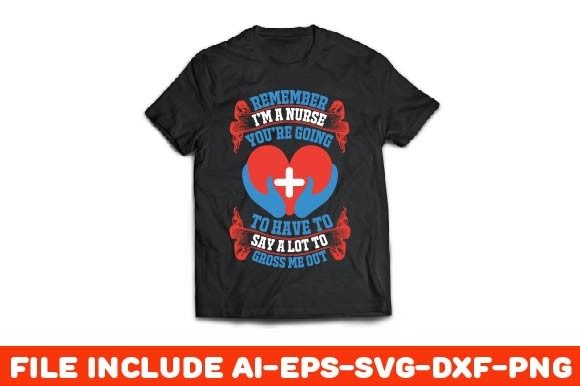
Reviewing the Nurse Quote Design for Real Stitching
As a designer who has spent years digitizing and reviewing embroidery files, I have learned that the difference between a cute digital preview and a successful finished product often comes down to practical execution. When I first opened the file for Remember, I’m a Nurse. You’re Going to Have, my immediate reaction was not just about the humor of the phrase, but about its structural integrity on fabric. This is a design that leans heavily on typography and attitude, which means the legibility of the text and the balance of the layout are critical. For embroidery designers, small business owners, and Etsy sellers, understanding how this graphic translates from a screen to a needle-punched reality is essential before listing it as a premium item in your shop.
First Impressions: Mood and Visual Personality
The phrase itself carries a specific weight. It is witty, slightly sassy, and deeply relatable to healthcare professionals who often find themselves in positions of authority or explanation. Visually, the design relies on clean lines and strong character spacing. In my initial assessment, the mood is confident and professional yet approachable. It does not scream for attention with overly complex decorative elements; instead, it lets the message do the heavy lifting. This minimalism is a double-edged sword in embroidery. Without intricate fill patterns or applique elements to hide behind, every stitch must be precise. The visual personality suggests a modern, clean aesthetic that fits well within contemporary T-Shirt Designs and casual apparel graphics.
For those of us creating handmade products, this type of design appeals to a broad audience. It is not just for nurses; it is for anyone who appreciates dry humor and professional pride. However, because it is text-heavy, the choice of font style—whether it features sharp serifs or rounded sans-serifs—will dictate how forgiving the stitching process is. A design like this requires a keen eye for detail to ensure that the curves of letters like "S" and "G" do not become distorted during the hoop-up process.
Real-World Application: From Digital File to Finished Product
To truly evaluate Remember, I’m a Nurse. You’re Going to Have, I imagined placing it on several common substrates. The most natural fit is undoubtedly custom apparel. Picture this design centered on the chest of a high-quality cotton sweatshirt. The soft texture of the fleece provides a stable base for the stitches, allowing the thread colors to pop against the fabric. In this context, the design serves as a conversation starter, perfect for break rooms or casual Fridays. It transforms a standard garment into a personalized gift that feels thoughtful and specific to the wearer’s identity.
Another excellent application is a sturdy canvas tote bag. Here, the durability of the embroidery adds value to the product. Unlike printed ink, which can crack or fade after repeated washing, an embroidered machine embroidery design maintains its integrity. For an Etsy seller, offering this on a tote bag creates a functional piece of merchandise that nurses can use for carrying books, lunch, or medical supplies. The contrast between the thread and the canvas texture can enhance the visual appeal, provided the stitch density is managed correctly to prevent puckering.
I also considered this design for a kitchen towel or apron. While these are popular items for holiday embroidery gifts, one must be cautious. Towels have a loose weave, which can cause small details to get lost or pull through. If you choose this route, using a cut-away stabilizer is non-negotiable. The design’s clarity must remain intact even when the fabric is bunched up or washed frequently. For baby embroidery, such as a onesie for a "nurse mom," the scale would need to be reduced significantly. This brings us to the technical limitations and considerations that every craft business owner must address.
Technical Considerations and Stitching Challenges
When working with text-based Graphics, the devil is in the details. The primary concern with Remember, I’m a Nurse. You’re Going to Have is the size of the lettering relative to the hoop size. If you attempt to stitch this on a small 4x4 inch hoop, the text may become too dense, leading to a stiff, cardboard-like feel on the fabric. This is particularly problematic on stretchy fabrics like jersey knits used for t-shirts. High stitch density on stretchy material can cause the garment to warp or pucker around the design, ruining the professional look of the finished product.
For curved surfaces like caps or hats, this design requires careful placement. The curvature of the cap can distort horizontal text, making it appear arched or uneven. Using a proper cap frame and ensuring the design is centered perfectly on the front panel is crucial. Additionally, the type of stitch used matters. Satin stitch columns work well for thicker letters, providing a smooth, shiny finish. However, if the design includes thinner strokes, a running stitch or a narrow zigzag might be more appropriate to prevent thread breaks and maintain clarity. Always check the stitch density in your digitizing software before loading the file onto your machine.
Fabric texture also plays a significant role. On textured fabrics like terry cloth or waffle knit, fine details can get lost in the pile. In such cases, increasing the size of the design or choosing a contrasting thread color can help maintain visibility. For dark fabrics, ensure that the thread colors chosen have enough contrast. A navy thread on a black shirt will disappear, regardless of how well-stitched it is. Testing the design on scrap fabric of the same type and color as your final product is a best practice that saves time and materials in the long run.
Enhancing Value and Brand Consistency
From a business perspective, the quality of the embroidery directly impacts customer trust and brand consistency. A clean, well-stitched Remember, I’m a Nurse. You’re Going to Have design signals professionalism. It tells the buyer that the maker cares about quality control. This is vital for small shop products where word-of-mouth and reviews drive sales. When customers receive a personalized gift that looks polished and durable, they are more likely to return for future purchases or recommend your store to colleagues.
For commercial embroidery projects, consistency is key. If you are producing multiple units, ensure that your tension settings and stabilizer choices remain constant. Variations in thread tension can alter the appearance of the text, making some items look tighter or looser than others. Using printable mockups to showcase the design on various products can help manage customer expectations, but the physical sample must match the digital promise. Highlighting the durability and tactile quality of the embroidery in your product descriptions can further justify a higher price point compared to printed alternatives.
Practical Notes for Designers and Makers
Before you commit to production, there are several steps you should take. First, verify the file formats included in the download. This item is a DIGITAL download and NO physical items are sent. Included in this download SVG PNG DXF PDF EPS formats These files come zipped. Please ensure an unzipping software such as winzip winrar. While SVG and PNG are great for printing or sublimation, ensure you have the correct embroidery file format (such as PES, DST, or JEF) compatible with your specific machine. If the package only contains vector graphics, you will need to digitize the design yourself or hire a digitizer, which is a different skill set entirely.
Second, test the design in black and white mockups to check for contrast issues. Sometimes, colors that look vibrant on screen blend together on fabric. Third, confirm the licensing terms. Can you sell finished items made with this design? Are there restrictions on the number of units? Clarifying this before you start selling protects your craft business from potential legal issues. Finally, always keep a record of your test stitches. Note which stabilizer worked best, what thread brands produced the least lint, and any adjustments you made to the tension. This documentation becomes an invaluable asset as you scale your embroidery project portfolio.
In conclusion, Remember, I’m a Nurse. You’re Going to Have is a versatile and engaging design that, when handled with technical care, can elevate a range of handmade products. By paying attention to stitch density, fabric choice, and proper stabilization, you can create items that are not only visually appealing but also durable and professionally finished. Whether for a holiday gift, a boutique product, or a personal keepsake, this design offers a unique blend of humor and pride that resonates with its audience.